Substance Use Disorder Treatment
Beginning Substance Use Treatment
A trauma-informed invitation to healing
Substance use treatment is not about judgment—it’s about support, safety, and reclaiming your life on your terms. Whether you’re seeking stability, exploring medication options, or simply curious about what healing might look like, you deserve care that meets you where you are.
At Fine Tune Psychiatry, we understand that substance use often begins as a way to cope—with pain, trauma, isolation, or unmet needs. We honor that truth. We also believe that recovery is possible, and that it can look different for different people.
Our approach is:
- Compassionate: We see you as a whole person, not a diagnosis.
- Trauma-informed: We recognize how past experiences shape present struggles—and we never force, shame, or rush your process.
- Inclusive: Our care is LGBTQIA+ affirming, culturally aware, and rooted in equity.
- Collaborative: You are the expert on your life. We walk beside you, offering tools, options, and support.
Treatment may include:
- Medication-assisted options like buprenorphine (Suboxone, Sublocade, Brixadi) or naltrexone
- Individual or group therapy
- Harm reduction strategies
- Peer support and community resources
- Supporting lifestyle changes
You don’t have to be “ready” or “perfect” to begin. You just have to be curious about what healing might feel like. We’re here to help you explore that—with empathy, expertise, and hope.
We are pleased to offer the most up to date evidence based treatment for Substance Use Disorders. This includes treatment for Alcohol Use Disorder, Opioid Use Disorder, Stimulant Use Disorder (cocaine, amphetamines and methamphetamine), and nicotine dependence. These conditions can leave you feeling isolated and afraid. There is hope for recovery and our substance use treatment specialists can help you achieve it.
Services are offered both in-office and through virtual care. Some treatments may not be available in every state we serve.
Alcohol Use Disorder
Alcohol use disorder can encompass daily drinking and binge drinking and involves difficulty stopping drinking even with multiple efforts and knowledge of negative consequences such as health complications and the danger and legal ramifications of driving under the influence. Like all substance use disorders it causes difficulties in maintaining relationships and fulfilling role responsibilities.
Withdrawal from alcohol with abrupt cessation without treatment can be dangerous and cause seizures and severe perceptual disturbances and can be life threatening. There are FDA approved medications for the treatment of Alcohol Use Disorders that can greatly reduce drinking or bring about complete abstinence. Most of these medications can be safely started in the outpatient setting and can treat mild to moderate withdrawal.
You don’t have to hit “rock bottom” to seek support. You don’t have to be ready to quit entirely. You just have to be curious about what healing might feel like. Whether you’re exploring moderation, abstinence, or simply a safer relationship with alcohol—we’re here to support you with empathy, expertise, and hope.
There are outpatient protocols for alcohol withdrawal management when it is not contraindicated.
An initial psychiatric evaluation where our providers conduct a comprehensive assessment of your drinking, review of medical and mental health histories will be provided. It’s vital to assess mood disorders, anxiety, PTSD and other conditions that may contribute to alcohol use, as effective medication assisted treatment involves addressing the whole person—not just symptoms of alcoholism.
We encourage patients to participate in psychotherapy and 12-step or other supportive programs to enhance recovery outcomes, although this is not mandatory. Our team also supports lifestyle factors such as diet, exercise, meditation, sleep hygiene, and work-life balance—all of which are integral to sustained recovery.
Common medication assisted treatment options for Alcohol Use Disorder include oral naltrexone, long-acting injectable naltrexone (Vivitrol), Disulfiram (Antabuse), and Acamprosate (Campral). Individual treatment plans and medication recommendations are determined after a full evaluation.
Vivitrol injections can be prescribed and administered by our specialists in Substance Use Disorder Treatment at Fine Tune Psychiatry. This injectable form of naltrexone can effectively reduce cravings, even for patients who did not respond well to oral naltrexone.
Vivitrol prescribing is available to patients residing in or able to travel to Pennsylvania monthly.
Additional medications prescribed include:
- Oral Naltrexone for craving reduction
- Disulfiram (Antabuse), which creates an aversive reaction to alcohol
- Acamprosate (Campral), which modulates neurotransmitters involved in cravings and can manage mild to moderate withdrawal
Opiate Use Disorder
Opioid Use disorder is a crippling condition in which a person’s brain becomes so conditioned to the presence of opioids that the cessation of use, without treatment, causes a severe withdrawal syndrome. Cravings are often so overwhelming that use is almost impossible to stop without help.
Opioid Use Disorder, and overdose, has increased markedly and is a crisis in many cities. People with Opioid Use Disorder experience societal stigma and are often met with negative bias in health and mental healthcare settings.
At Fine Tune Psychiatry you will be treated with a caring and respectful approach. We understand that advanced Opioid Use Disorder is often about just avoiding withdrawal rather than achieving the state of euphoria that was once the motivation for use. Our treatment aims to resolve withdrawal and cravings, allowing you to maintain freedom from opioid use.
Substance Use Treatment providers offer Medications for Opiate Use Disorder (MOUD). We offer the long-acting injectables Sublocade, Brixadi and Vivitrol as well as oral Suboxone. We also treat underlying psychiatric conditions, assess medical conditions and provide referrals. We also provide uncomplicated wound care.
We coordinate with local intensive outpatient programs (IOPs), Opioid Treatment programs (if methadone maintenance is desired) partial hospitalization programs (PHPs), detox centers, inpatient rehab facilities, and hospitals in Philadelphia, Pittsburgh, Wilmington, South Jersey, and other locations to streamline transitions to outpatient MAT. Patients may also be evaluated independently, with recommendations for further services as needed. We advocate for fair and unbiased treatment for people with Opioid Use Disorder in the facilities we collaborate with.
All patients undergo a thorough initial psychiatric assessment, assessment of use and withdrawal. Providers will also collect detailed medical and mental health histories. Addressing co-occurring mood disorders, anxiety disorders and PTSD is essential for comprehensive care and successful medication assisted treatment.
Participation in psychotherapy and 12-step or other supportive programs is highly recommended to support recovery, though not mandatory. We also emphasize lifestyle and self-care factors such as nutrition, exercise, meditation, sleep habits, and relationships.
Virtual MAT is available for patients in the states where we are licensed. Injectable treatments like Vivitrol, Sublocade and Brixadi are available at in-person visits and some Pennsylvania pharmacies.
Patients receiving MAT will meet with their providers regularly and submit urine drugs screens to address any ongoing substance use that might be occurring. Ongoing substance use will result in an assessment and adjustment of treatment plans and revisiting recovery goals. It is not the intention of our providers to discontinue MAT, however this may be necessary if safety issues are a factor.
Examples of medication assisted treatment options for opioid dependence include:
- Vivitrol (long-acting injectable naltrexone): This medication is not an opioid but an opioid receptor blocker. This means that when opioids are present in the system, they are not able to cause euphoric effects. Vivitrol is a good safety net for those who have already achieved abstinence and may never be given during active opioid use.Typically initiated during inpatient care, Vivitrol requires a 10-14 day opioid-free period before starting to avoid precipitated withdrawal. Comfort medications to manage withdrawal are provided if this transition occurs in the outpatient setting. Maintenance doses are given monthly in the office or at partnered PA pharmacies. Patients must confirm pharmacy availability and insurance coverage. Prescriptions are available to Pennsylvania residents attending in-person appointments.
- Suboxone (buprenorphine): Is an opioid which is an effective MAT option for opioid dependence. Suboxone is a prescription medication that can be taken at home for your convenience, allowing you to focus on rebuilding your life.This is an oral medication that dissolves under the tongue and is introduced slowly to avoid the onset of withdrawal symptoms. Comfort medications to ease withdrawal are provided during the induction. Patients are usually comfortable with resolved cravings and withdrawal within 2-7 days depending on the type of induction used (standard or low-dose).
- Sublocade (injectable buprenorphine): After 7+ days on sublingual buprenorphine, patients may switch to monthly Sublocade injections, administered at FTP or partnering pharmacies. This option is sometimes preferred to taking daily medication. Sublocade is injected under the skin in the abdomen. It is available to Pennsylvania residents and those attending in-office visits.
- Brixadi (injectable buprenorphine): Brixadi is injectable buprenorphine like Sublocade, but it can be injected into more sites on the body, has the option for biweekly or monthly injections and is sometimes thought to be a more comfortable injection.
All long acting injectables will be available for administration in the office by our Substance Use Treatment specialists.You can expect a comfortable setting and expert care.
Appointment and Cancellation Policy:
Long acting injectables are required in office appointments though Suboxone follow-ups can be done virtually. Making and keeping your appointments maintains access to potentially life-saving treatments.
Treatment for other Substance Use Disorders
Our trained providers offer evidence-based treatment for other substance use disorders such as treatment for stimulant use (cocaine, methamphetamine and prescribed stimulants such as Adderall and Ritalin), sedative/hypnotic use disorder (benzodiazepines and non-benzodiazepine medications such as Ambien), and cannabis use disorder.
Director of Substance Use Treatment Services
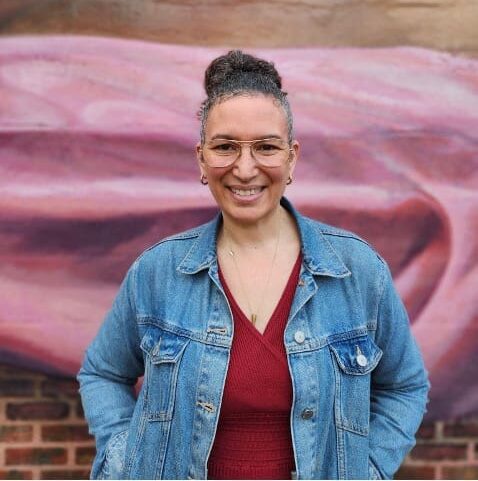
Nicole Leighton CRNP PMHNP-BC brings expertise in the treatment of substance use disorders including Opioid Use Disorder and Alcohol Use Disorder with MAT. She also treats other substance use disorders with the most current evidence-based approaches. She is an expert in treating co-occurring mental health and substance use disorders. Nicole works with pregnant and parenting women with opioid use disorder and severe mental health conditions at Thomas Jefferson University’s Maternal Addiction Treatment Education and Research (MATER) and is Clinical Adjunct Faculty at Thomas Jefferson University, mentoring psychiatric nurse practitioner students and providing lectures on substance use, substance use in pregnancy and harm reduction strategies. Book an appointment with Nicole and begin your recovery journey. There is hope.
In-Office and Telehealth Appointments
Virtual Appointments Available:
- Pennsylvania
- New Jersey
- Delaware
In-Office Appointment Locations:
- Philadelphia, PA
- Pittsburgh, PA
- Paoli, PA
- Collingswood, NJ
- Wilmington, DE
Related Resources
View AllExecutive function is the set of mental skills that helps you manage everyday life. It...
7 Common Myths About Bipolar Disorder
Bipolar disorder is a Mood Disorder that affects roughly 2% of the population, yet it...
Should I Medicate My Child? A Thoughtful, Evidence-Based Perspective
Table of Contents Naming the Reality Families Live With Understanding Agitation and Aggression in Autism...
FAQS
What is substance use disorder?
Substance use disorder is a medical condition characterized by an individual’s inability to control their use of a substance, leading to significant impairment or distress.
What are the symptoms of substance use disorder?
Symptoms may include cravings, withdrawal symptoms, inability to fulfill responsibilities, and continued use despite negative consequences.
How is substance use disorder treated?
Treatment often involves a combination of medication-assisted treatment (MAT) for opioid or alcohol use. Medications for other substance use such as cocaine, amphetamines/methamphetamines and nicotine are provided in alignment with the Society of Addiction Medicine guidelines. Therapy, and support groups to help individuals achieve and maintain recovery.
What is medication-assisted treatment (MAT)?
MAT is an evidence-based approach that combines medications with counseling and behavioral therapies to treat substance use disorders effectively. Fine Tune Psychiatry accepts various insurance plans to support your treatment journey.
How can I get started with treatment for substance use disorder?
To begin treatment, you can schedule a consultation with Fine Tune Psychiatry, where a Substance Use Disorder specialist will assess your needs and develop a personalized treatment plan.