Depression Treatment Services
Many people experience occasional sadness or disinterest, often labeling these emotions as “depression.” While these feelings are normal, they don’t always indicate a clinical disorder. What separates everyday sadness from a depressive disorder is the intensity, duration, and the extent to which symptoms interfere with daily functioning.
Clinical depression is typically more persistent and disruptive than passing sadness. It can affect one’s relationships, career, physical health, and overall well-being. When this level of disruption is present, it’s time to consider evaluation and care from a qualified mental health provider, such as Fine Tune Psychiatry, which offers some of the best adult, child and adolescent psychiatrists.
What Are the Symptoms of Depression?
Two hallmark symptoms of depression are: 1) persistent low mood nearly every day and 2) a marked loss of interest or pleasure in most activities. Additional symptoms may include:
- Significant weight gain or loss/appetite changes
- Trouble sleeping (insomnia or hypersomnia)
- Slowed thinking, speech, or movement
- Low energy and fatigue
- Feelings of guilt, shame, or worthlessness
- Poor concentration and indecisiveness
- Recurring thoughts of death, suicide, or self-harm
If you’re having suicidal thoughts, immediate support is available by calling 988 or visiting the nearest emergency room.
Types of Depression & Depressive Disorders
- Major Depressive Disorder (MDD): Major Depressive Disorder requires either depressed mood or loss of interest for most of the day, nearly every day, for at least two weeks. Accompanying symptoms like sleep disturbances, fatigue, low self-worth, and suicidal thoughts must impair daily functioning.
- Persistent Depressive Disorder (PDD): Also known as dysthymia, PDD is a chronic but typically less severe form of depression. Symptoms—such as low mood, appetite changes, sleep issues, and feelings of hopelessness—must last for at least two years (one year in children) and interfere with life activities.
- Postpartum Depression: Distinct from typical “baby blues,” postpartum depression occurs during or after pregnancy. Symptoms mirror those of MDD and go beyond temporary irritability or fatigue, significantly impacting a mother’s ability to function.
- Seasonal Affective Disorder (SAD): Seasonal Affective Disorder is a pattern of major depressive symptoms that typically occur during fall and winter, with improvement in spring or summer.
- Premenstrual Dysphoric Disorder (PMDD): PMDD includes severe mood-related symptoms such as intense irritability, sadness, and/or anxiety –that appear before menstruation—and dissipate after a woman’s period begins.
- Perimenopausal Depression: Women entering menopause may face increased depression risk, especially those with a history of mood disorders. Emotional symptoms during this time may resemble those of major depression.
Depression in Children
Depression in young individuals is often under-diagnosed, even in nurturing environments. Emotional distress can develop independently of external factors, which is why proper psychiatric evaluation is critical.
Children often struggle to verbalize their feelings, making diagnosis complex. Their internal feelings can manifest as sadness, irritability, or behavioral issues. Mood disorders are medical conditions that can be effectively treated, and early psychiatric evaluation and intervention are essential to minimizing their long-term impact on a person’s health and well-being.
Early intervention is key. Treatment may not always include medication, but evaluation by an experienced provider ensures proper diagnosis, monitoring and long-term support.
How Does Fine Tune Psychiatry Treat Depression?
Your First Visit for Depression
During your first session, a provider will discuss your symptoms, mental health history, and treatment goals. They will then offer an initial diagnosis and treatment plan, which may involve medication, psychotherapy, or both.
With a team that includes psychiatric nurse practitioners, and some of the best child and adolescent psychiatrists, Fine Tune Psychiatry offers flexible, evidence-based care options to meet diverse patient needs.
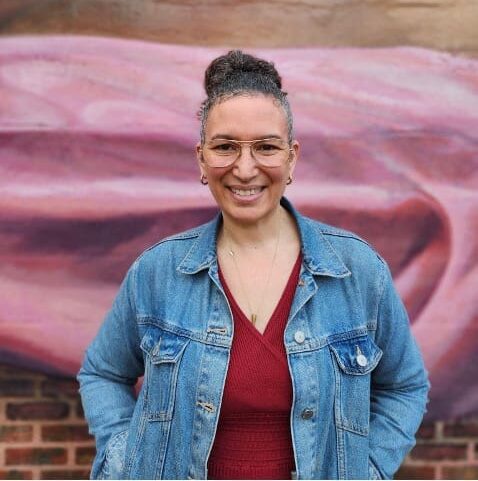
Nicole Leighton provides treatment for depression at Fine Tune Psychiatry.
Therapy
Our clinicians can incorporate psychotherapy into their sessions as needed. This includes using Supportive therapy, Cognitive Behavioral Therapy (CBT), Motivational Interviewing, Exposure Therapy and Accountability for healthy behaviors and routines (diet, exercise, and avoidance of problematic behaviors).
If a patient requires more intensive or focused therapy, our psychiatrists and psychiatric nurse practitioners will make recommendations for psychologists and therapists in your area, and will collaborate with them to provide coordinated care.
Medication Management
For moderate to severe depression, a combination of medication and therapy is often most effective. However, medication may be used alone based on personal preference or other factors. A careful evaluation informs the medication plan, which may involve SSRIs, SNRIs, or other antidepressants depending on individual needs.
How to Choose a Depression Treatment Provider
Finding the right provider can feel overwhelming—but it’s critical to recovery. To start:
- Ask your doctor for recommendations
- Contact hospitals or universities with psychiatric departments
- Consult your insurance provider
- Search online for mood disorder specialists
- Speak with trusted friends or family
- Use national mental health directories
For children and teens, seeking care from Fine Tune Psychiatry ensures access to the best child depression treatment for thoughtful, specialized attention to mood and developmental factors.
In-Office & Telehealth Appointments
Fine Tune Psychiatry Virtual Depression Treatment Available:
- Pennsylvania
- New Jersey
- Delaware
Fine Tune Psychiatry In-Person Depression Treatment Locations:
- Philadelphia, PA
- Pittsburgh, PA
- Paoli, PA
- Collingswood, NJ
- Wilmington, DE
Related Resources
View AllExecutive function is the set of mental skills that helps you manage everyday life. It...
7 Common Myths About Bipolar Disorder
Bipolar disorder is a Mood Disorder that affects roughly 2% of the population, yet it...
Should I Medicate My Child? A Thoughtful, Evidence-Based Perspective
Table of Contents Naming the Reality Families Live With Understanding Agitation and Aggression in Autism...
FAQs
What is depression?
Depression is a common mental health disorder characterized by persistent feelings of sadness, loss of interest, and various emotional and physical problems.
What are the symptoms of depression?
Symptoms may include low mood, fatigue, changes in appetite, difficulty concentrating, sleep disturbances, and feelings of worthlessness.
How is depression treated?
Treatment often involves a combination of therapy, medication, and lifestyle changes, all of which are tailored to individual needs at Fine Tune Psychiatry.
Can I receive support for depression without insurance?
Fine Tune Psychiatry accepts various insurance plans, making it easier for individuals to access the care they need for depression.
What should I do if I think I have depression?
If you suspect you have depression, it’s important to consult a mental health professional for an accurate diagnosis and appropriate treatment options.