Treatment for Opioid Use Disorder
Fine Tune Psychiatry stands against stigma and offers hope.
Opioid Use Disorder (OUD) is a mental health condition where a person develops a pattern of opioid misuse that leads to emotional distress, physical complications, and disruptions in social, academic, or professional life. As a chronic condition, OUD can have a profound impact on overall well-being and strain personal relationships. Opioid use disorder is a life-threatening condition and requires expert treatment.
OUD is not a moral failing or a lack of willpower. It is a treatable condition rooted in biology, environment, and lived experience.
At Fine Tune Psychiatry, we recognize that every person’s journey with opioids is unique. Some may have started with pain management after surgery. Others may have used opioids to soothe emotional wounds or survive trauma. No matter how it began, your story matters—and healing is possible.
We approach OUD with respect, dignity, and evidence-based care. That means:
- You are not alone. Millions of people live with OUD, and many recover with support.
- You deserve safety. We offer treatments like buprenorphine (Suboxone, Sublocade, Brixadi, Vivitrol) that reduce cravings and withdrawal while supporting long-term wellness. Harm reduction strategies are offered to those who are in recovery, are not ready to stop use or have resumed use
- You are more than a diagnosis. We see your strengths, your resilience, and your capacity to heal.
Recovery is not one-size-fits-all. Whether you’re exploring medication, therapy, harm reduction, or simply seeking understanding, we’re here to walk beside you. Our care is trauma-informed, LGBTQIA+ inclusive, and rooted in the belief that everyone deserves a chance to thrive.
People living with OUD struggle to control their opioid use even when it results in serious negative outcomes. The disorder often becomes the central focus of their daily life, with much of their time spent seeking, using, and recovering from opioids.
Due to the addictive nature of opioids, many individuals find that the fear of withdrawal—rather than the pleasurable effects of the drug—becomes the main reason for continued use. Recognizing opioid addiction symptoms early is crucial to prevent this cycle from worsening.
It is also common for individuals with OUD to experience co-occurring mental health conditions such as anxiety, depression, PTSD or bipolar disorder. Treating both the substance use and the accompanying psychiatric conditions is often necessary for a successful recovery.
Opioid Use Disorder is Characterized by:
- Physical Dependence: Developing tolerance (needing more for the same effect), cravings or experiencing withdrawal when use stops.
- Loss of Control: Using larger amounts than intended, struggling to cut back, or spending excessive time obtaining, using, and recovering from opioids.
- Continued Use Despite Consequences: Persisting in opioid use despite harm to health, work, school, relationships, or safety.
How Common is Opioid Use Disorder?
Between 5–20% of individuals prescribed opioid pain medications develop OUD. Many who become addicted to prescription opioids eventually turn to street drugs such as heroin or fentanyl when prescriptions run out or tolerance increases. In fact, nearly half of heroin or fentanyl users began their opioid use with a legal prescription.
Why Should I Be Concerned About Opioid Use Disorder?
- Opioids are linked to around 100,000 deaths annually in the U.S. (CDC, 2023).
- OUD impacts people of all backgrounds and is a key driver of the ongoing national opioid crisis.
- Fentanyl contamination in counterfeit pills and other illicit drugs has made opioid use more dangerous than ever.
- Illicit opioids are adultered with strong sedative causing extreme sedation, complicated overdose, a serious withdrawal syndrome and wounds.
What are Opiates vs. Opioids?
Opioids refer to a class of drugs—both prescription medications and illicit substances—that activate opioid receptors in the body, reducing pain and often creating a euphoric effect. Opiates are naturally occurring opioids such as morphine and codeine, while synthetic or semi-synthetic opioids (like fentanyl, methadone, and oxycodone) are lab-made but function in the same way.
Both natural and synthetic opioids carry high risks of misuse, dependence, overdose, and death, especially when taken recreationally, in combination with sedating substances, or unknowingly when fentanyl is mixed into illicit drugs.
When Should I Seek Help for Opioid Use?
If you notice opioid addiction symptoms such as cravings, withdrawal, tolerance, or continued use despite harm, it is important to seek help immediately. Patients prescribed opioids should speak with their provider, and may benefit from evaluation with a specialist at Fine Tune Psychiatry who treats opioid use disorder.
For those using opioids recreationally or obtaining them outside of prescriptions, urgent evaluation and treatment are strongly recommended. With fentanyl-related overdoses rising, waiting to meet “full criteria” for OUD can be life-threatening.
Who is at Risk of Developing an Opioid Use Disorder?
Genetics, co-occurring mental health conditions, and environmental factors all contribute to the likelihood of developing OUD. A family history of substance use, untreated psychiatric disorders like anxiety or ADHD, or childhood abuse can all increase vulnerability. We also recognize that social factors such as poverty, homelessness, racial and gender related inequities, and trauma all increase vulnerability to using opioids.
Other risk factors include:
- Easy access to opioids
- A current or past substance use disorder
- Adverse childhood experiences
- Conduct disorders in youth
What are the Risks of Opioid Addiction?
Opioid misuse and OUD significantly increase the risk of overdose and death. It can also increase the risk for health complications such as Hep C, HIV, endocarditis, infections and wounds. Recognizing opioid addiction symptoms early and seeking professional help can reduce these risks and improve chances of recovery.
Symptoms of Opioid Withdrawal Syndrome
Common withdrawal symptoms include:
- Abdominal pain, diarrhea, nausea, and vomiting
- Chills, sweats, and fever
- Yawning, runny nose and tearing eyes
- Dilated pupils, insomnia, and restlessness
- Heightened anxiety or irritability
- Elevated heart rate and blood pressure
- Strong cravings for opioids
Treatment can resolve cravings and withdrawal effectively.
Treatment Options for Opioid Use Disorder
Because no two individuals experience OUD in the same way, treatment must be personalized.
Options include:
- Inpatient or outpatient detox with Medication-Assisted Treatment (MAT) such as buprenorphine (Suboxone, Sublocade, Brixadi) or naltrexone (Vivitrol)
- Maintenance medications (buprenorphine, methadone, naltrexone)
- Psychotherapy and group programs like Narcotics Anonymous, SMART Recovery, Dharma Recovery
- Medication management for co-occurring psychiatric conditions
- Harm reduction strategies if ongoing or risk of resumed use is present
- Behavioral interventions such as sleep hygiene, exercise, and lifestyle changes
At Fine Tune Psychiatry long acting injectable medications for OUD are offered such as Sublocade, Brixadi and Vivitrol. These are administered in our outpatient office by trained substance use treatment providers.
During the transition to therapy (induction on medications for opioid use disorder), withdrawal management medications are provided to keep patients comfortable during treatment.
Therapy for Opioid Use Disorder
Our clinicians can incorporate therapy into their sessions, including:
- Cognitive Behavioral Therapy (CBT)
- Exposure Therapy
- Supportive Therapy
- Motivational Interviewing
- Accountability for healthy behaviors and routines, such as diet, exercise, avoidance of problematic behaviors and others.
Why Choose Fine Tune Psychiatry for Opioid Use Disorder Treatment?
Treatment is led by our Director of Substance Use Treatment Services, a psychiatric nurse practitioner with expertise in treating opioid use disorder and mental health conditions. Our team includes board-certified psychiatrists, nurse practitioners, and doctoral-level therapists experienced in treating OUD and co-occurring conditions. We provide academically oriented care, with many of our providers having taught at institutions such as Johns Hopkins and the University of Pennsylvania.
Highlights of our program include:
- Our Director of Substance Use Treatment, Nicole Leighton CRNP, PMHNP-BC, experienced in the treatment of OUD and co-occurring psychiatric disorders, leads the treatment of OUD with Suboxone and long-acting injectables.
- Board-certified providers with specialized training in addiction treatment
- Appointments available as soon as possible within one week
- Both in-office and virtual treatment options
- Comprehensive support for co-occurring psychiatric disorders
Director of Substance Use Treatment Services
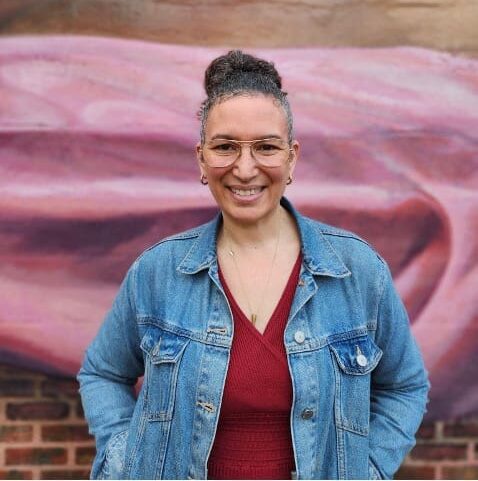
Nicole Leighton CRNP PMHNP-BC brings expertise in the management of addiction including Opioid Use Disorder and Alcohol Use Disorder with medication assisted treatment. She also treats other substance use disorders with the most current evidence-based approaches. She is an expert in treating co-occurring mental health and substance use disorders. Nicole works with pregnant and parenting women with opioid use disorder and severe mental health conditions at Thomas Jefferson University’s Maternal Addiction Treatment Education and Research (MATER) and is Clinical Adjunct Faculty at Thomas Jefferson University, mentoring psychiatric nurse practitioner students and providing lectures on substance use, substance use in pregnancy and harm reduction strategies. Book an appointment with Nicole to explore treatment options. Find hope today.
In-Office & Telehealth Appointments
Virtual Appointments Available Throughout the Following States:
- Pennsylvania
- Deleware
- New Jersey
Note: Some states and providers may require in-person visits.
In-Office Appointments Available In:
- Philadelphia, PA
- Pittsburgh, PA
- Paoli, PA
- Wilmington, DE
- Collingswood, NJ
Related Resources
View AllShould I Medicate My Child? A Thoughtful, Evidence-Based Perspective
Table of Contents Naming the Reality Families Live With Understanding Agitation and Aggression in Autism...
The Impact of Criminalization on Recovery: Shifting Toward Compassionate Care
For decades, substance use has been treated as a crime rather than a health issue....
Individualized Education Plans (IEPs) and 504 Plans for Students
Does your child have a diagnosis of a mental and/or behavioral health condition? Is it...
FAQs
What is opioid use disorder?
Opioid use disorder is a medical condition characterized by an individual’s inability to control their use of opioid substances, leading to significant impairment or distress.
What are the symptoms of opioid use disorder?
Symptoms may include cravings, withdrawal symptoms, increased tolerance, neglecting responsibilities, and continued use despite harmful consequences.
How is opioid use disorder treated?
Treatment often involves a combination of medication-assisted treatment, counseling, and behavioral therapies, tailored to each individual’s needs at Fine Tune Psychiatry.
What are the risk factors for developing opioid use disorder?
Risk factors include a history of substance use, mental health disorders, genetic predisposition, and exposure to prescription opioids.
Does Fine Tune Psychiatry accept insurance for treatment?
Yes, Fine Tune Psychiatry accepts various insurance plans, making treatment for opioid use disorder more accessible for patients.