Alcohol Use Disorder
A Person-Centered Approach to Alcohol Use Disorder
Healing begins with understanding, not judgment.
Alcohol Use Disorder (AUD), sometimes referred to as alcoholism or alcohol dependence, is a serious psychiatric condition in which a person struggles to control their drinking, even when it negatively impacts health, safety, work, or personal relationships. AUD frequently co-occurs with other psychiatric conditions—like depression, anxiety, bipolar disorder, or ADHD—which makes comprehensive treatment essential.
At Fine Tune Psychiatry, we understand that alcohol use often begins as a survival strategy—not a moral failing.
We believe that healing is possible, and that it starts with compassion, safety, and respect.
Our Approach
- Person-centered: You are more than a diagnosis. We honor your story, your strengths, and your goals.
- Trauma-informed: We recognize how past experiences shape present behaviors. We never judge or force your process.
- Collaborative: You are the expert on your life. We offer tools and options to help you achieve your recovery goals
- Inclusive: Our care is LGBTQIA+ affirming, culturally responsive, and rooted in equity.
Treatment May Include
- Medication-assisted options that are FDA approved (naltrexone (oral or long-acting injections), disulfram, acamprosate)
- Individual or group therapy
- Harm reduction strategies
- Peer support and community resources
What You Can Expect
- A safe space to explore your relationship with alcohol—without pressure or judgment
- Support whether you’re seeking moderation, abstinence, or simply more stability
- Care that adapts to your needs, values, and pace
- You don’t have to wait for a crisis to seek support. You don’t have to be “ready” to quit. You just have to be curious about what healing might feel like. We’re here to walk beside you—with empathy, expertise, and hope.
Alcohol Misuse vs. Alcohol Dependence
Alcohol misuse describes problematic alcohol use without physical dependence, but it can still cause significant harm to relationships, career, health, and finances. Binge drinking is a common form of alcohol misuse.
Alcohol Dependence, however, involves physiological reliance on alcohol. Beyond the risks of alcohol abuse, dependence can be life-threatening, as alcohol withdrawal is one of the most dangerous withdrawal syndromes. Anyone who drinks daily is at risk of withdrawal and should seek medical supervision from a qualified professional, such as an alcohol addiction psychiatrist or nurse practitioner, before reducing or stopping alcohol use.
How Common are Alcohol Use Disorders?
Alcohol Use Disorder is widespread, with research showing that about 30% of adults experience AUD during their lifetime, and roughly half of those cases are severe.
- About 30% of adults will face AUD at some point.
- Men are more likely than women to develop AUD.
- Around 5% of those ages 12–17 suffer from AUD.
- Roughly 15% of those ages 18–29 are affected.
When Should I Reach Out for Help?
It’s important to seek help if you:
- Consistently drink more or longer than intended.
- Struggle to cut back despite negative consequences in work, school, or relationships.
- Experience cravings or spend large amounts of time obtaining and using alcohol.
- Fail to meet responsibilities due to drinking.
- Develop a high tolerance, cravings or withdrawal symptoms when not drinking.
- Use alcohol in unsafe situations, such as driving.
What Causes Alcohol Use Disorders?
A family history of AUD increases your risk, though not everyone with such a history develops alcoholism. Likewise, having untreated mental health conditions like depression, anxiety, or ADHD can make it harder to manage alcohol use. Alcoholism is considered a disease in itself, but it often worsens when combined with other psychiatric challenges.
Long-Term Consequences of Excessive Drinking
Chronic alcohol misuse can affect nearly every aspect of life—emotional, occupational, financial, and physical. It also puts strain on personal relationships.
Health risks include:
- Increased risk of cancers (including breast and liver).
- Alcohol-related heart failure and hypertension.
- Fatty liver, hepatitis, and cirrhosis.
- Neurological disorders and cognitive decline.
- Alcohol withdrawal complications (including seizures, delirium tremens, and potentially death).
Safety and psychosocial risks include:
- Motor vehicle accidents and other accidents
- Loss of relationships
- Social isolation
- Negative relationships
- Legal consequences including involvement with children and youth services
Treatment Options for Alcohol Use Disorder
Because no two cases are the same, treatment plans are individualized.
Options may include:
- Inpatient or outpatient detoxification.
- Medication management for withdrawal, cravings and prevention of resumed use.
- Support groups such as Alcoholics Anonymous, SMART Recovery and Dharma Recovery.
- Psychotherapy with licensed professionals.
- Integrated treatment for co-occurring psychiatric conditions.
- Lifestyle modifications addressing sleep, diet, exercise, and stress.
Therapy for Addiction and Alcohol Use Disorder
Our clinicians can incorporate therapy into their sessions, including:
- Cognitive Behavioral Therapy (CBT)
- Exposure Therapy
- Supportive Therapy
- Motivational Interviewing
- Accountability for healthy behaviors and routines, such as diet, exercise, avoidance of problematic behaviors and others.
If a patient requires more intensive or focused therapy, our psychiatrists and psychiatric nurse practitioners will make recommendations for psychologists and therapists in your area, and will collaborate with them to provide coordinated care. We find that working with a team of specialized providers can result in the best outcomes, and we’re happy to take the time to do so.
Why Choose Fine Tune Psychiatry for Alcohol Use Disorder Treatment?
Our providers are highly experienced in treating addiction and co-occurring psychiatric conditions, with an academic orientation that emphasizes evidence-based care.
- Treatment lead by an experienced provider, Director of Substance Use Treatment Services, Nicole Leighton CRNP, PMHNP-BC
- Additional Board Certified Psychiatrists, Nurse Practitioners, and Psychologists specializing in Alcohol Use Disorders.
- Academically oriented providers, many of whom have taught at leading institutions like Johns Hopkins and the University of Pennsylvania.
- Appointments typically available as soon as possible within 1 week.*
- In-office and virtual telehealth options.
- Compassionate care tailored to each individual’s needs.
* Our substance use experts will always try to schedule a new patient within one week, as we understand time is of the essence when a patient is motivated for healing.
Director of Substance Use Treatment Services
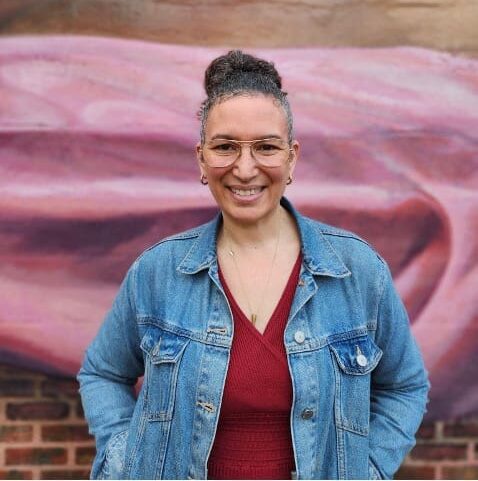
Nicole Leighton CRNP, PMHNP-BC brings expertise in the management of addiction including Opioid Use Disorder and Alcohol Use Disorder with medication assisted treatment. She also treats other substance use disorders with the most current evidence-based approaches. She is an expert in treating co-occurring mental health and substance use disorders. Nicole works with pregnant and parenting women with opioid use disorder and severe mental health conditions at the Maternal Addiction Treatment Education and Research center (MATER) and is Clinical Adjunct Faculty at Thomas Jefferson University, mentoring psychiatric nurse practitioner students and providing lectures on substance use, substance use in pregnancy and harm reduction strategies. Book an appointment with Nicole and explore treatment options. Find hope today.
In-Office and Virtual Appointments
We provide both in-person and online virtual appointments for individuals seeking treatment for Alcohol Use Disorders.
Related Resources
View AllShould I Medicate My Child? A Thoughtful, Evidence-Based Perspective
Table of Contents Naming the Reality Families Live With Understanding Agitation and Aggression in Autism...
The Impact of Criminalization on Recovery: Shifting Toward Compassionate Care
For decades, substance use has been treated as a crime rather than a health issue....
Individualized Education Plans (IEPs) and 504 Plans for Students
Does your child have a diagnosis of a mental and/or behavioral health condition? Is it...
FAQs
What is alcohol use disorder?
Alcohol use disorder is a medical condition characterized by an inability to control or stop drinking despite negative consequences, often leading to physical and psychological dependence.
What are the symptoms of alcohol use disorder?
Symptoms can include frequent cravings for alcohol, withdrawal symptoms when not drinking, and continued use despite health or social problems.
How is alcohol use disorder treated?
Treatment typically involves a combination of therapy, medication, and support groups, with a focus on behavioral changes and coping strategies. Fine Tune Psychiatry offers comprehensive treatment options.
What are the long-term effects of untreated alcohol use disorder?
Untreated alcohol use disorder can lead to serious health issues, including liver disease, cardiovascular problems, and mental health disorders such as depression and anxiety.
Does Fine Tune Psychiatry accept insurance for treatment of alcohol use disorder?
Yes, Fine Tune Psychiatry accepts various insurance plans to help make treatment accessible for individuals struggling with alcohol use disorder.