Find Substance Use and Addiction Treatment Near You
Understanding Addiction and Substance Use Disorders
Addiction, clinically classified as Substance Use Disorder (SUD), is a medical condition that affects how the brain processes reward, stress, and decision-making. It can develop when a person uses substances—such as alcohol, opioids, stimulants, or sedatives—in ways that begin to interfere with their health, relationships, or daily life. SUD is not a personal failure. It is a treatable condition shaped by biology, environment, trauma, and lived experience.
At Fine Tune Psychiatry, we understand that substance use often begins as a way to cope—with pain, loss, isolation, or trauma. For many, substances have served as survival tools. We honor that truth while offering pathways to healing.
We approach SUD with compassion, clinical expertise, and respect for your autonomy. That means:
- You are not alone. Millions of people live with SUD, and recovery is possible at every stage.
- You deserve safety. We offer evidence-based treatments, harm reduction strategies, and emotional support tailored to your needs.
- You are more than a diagnosis. We see your strength, your story, and your capacity to heal.
Recovery is not linear but can be cyclical including times of resumed use. Our specialists remain committed to our patients’ recovery no matter what stage of change you are in. Recovery may include medication, therapy, peer support, or simply a safe space to explore your options. Our care is trauma-informed, LGBTQIA+ inclusive, and rooted in the belief that healing happens in relationships—with self, with others, and with community.
Whether you’re seeking stability, exploring treatment, or just beginning to ask questions, we’re here to walk beside you—with empathy, expertise, and hope.
Addiction is a long-term condition that can impact nearly every area of a person’s life. It also deeply affects those close to them—including friends, family members, romantic partners, and children. The main categories of addiction include behavioral addictions—such as gambling, social media use, pornography, and sexual addiction—and substance use disorders, which involve drugs like alcohol, opiates, marijuana, stimulants, and benzodiazepines.
Addictions are very widespread; around 50 million Americans aged 12 and older (about 17% of the population) have struggled with a substance use disorder in the past year alone. To add complexity, nearly 8% of American adults experience both an addiction and another mental health condition simultaneously (known as co-occurring disorders or dual diagnosis), such as anxiety, depression, ADHD, or bipolar disorder. Because of this, it is highly recommended to seek help from specialists like addiction psychiatrists or psychiatric nurse practitioners for professional evaluation and treatment, either in-person or online.
Fine Tune Psychiatry and its team of addiction and substance use disorder specialists, lead by Director of Substance Use Treatment Services, Nicole Leighton CRNP PMHNP-BC, are skilled not only in diagnosing various addictions but also in treating both addiction and co-occurring mental health conditions. They create personalized treatment plans for substance use disorders or behavioral addictions, which may include medication management, medical detox, medication-assisted treatment (MAT), and therapy sessions online or in-office.
Contact us today to learn more about the best addiction treatment near you.
Symptoms of Addiction (Substance Use Disorder)
Addiction symptoms—whether related to substance use or behavioral patterns—often involve compulsively using a substance or engaging in an activity despite harmful consequences to oneself and others. If you or someone you know shows signs like the following, it may be time to consider addiction treatment with an addiction specialist at Fine Tune Psychiatry:
- Inability to cut down or quit
- Loss of control over use or behavior
- Spending excessive time thinking about or engaging in the addiction
- Developing tolerance, needing more to achieve the same effect
- Cravings for substances or behaviors
- Problems in personal relationships, work, or health due to addiction
- Withdrawal symptoms such as anxiety, body aches, flu-like symptoms, cravings, insomnia, sweating, rapid heartbeat, or other physical signs when not using the substance
Common Types of Addiction
Opioid Use Disorder
This disorder involves addiction to opioid pain medications or illegal opioids like heroin or fentanyl, all derived from the opium poppy. Opioids are highly addictive and carry a high risk of overdose death, with about 80,000 fatalities annually in the US.
Addiction psychiatrists and psychiatric nurse practitioners can help safely detox patients, often on an outpatient basis, and prescribe medications that block opioid effects in the brain. These treatments reduce withdrawal symptoms, cravings, and overdose risks. Therapy—both in-office and online—is also an important part of opioid use disorder recovery.
Alcohol Use Disorder
Alcohol use disorder (AUD) is the most common substance use disorder in the United States, affecting roughly 30 million people aged 12 and older (about 10%). AUD is characterized by an inability to control or stop drinking despite social, work, legal, or health problems caused by alcohol.
Long-term heavy drinking can cause serious health issues like liver cirrhosis, increased cancer risk, seizures, hallucinations, and even fatal withdrawal symptoms. That’s why seeking treatment from psychiatric providers and addiction specialists trained in AUD and co-occurring disorders is critical. There are FDA approved medications for AUD offered for treatment at Fine Tune Psychiatry. We also encourage peer support and lifestyle changes.
Benzodiazepine Addiction/Dependence
Benzodiazepine addiction involves dependence on prescribed anxiety or sleep medications such as Xanax, Valium, Klonopin, Ativan, or Ambien. Sometimes these addictions begin with routine prescriptions, even from licensed doctors.
Withdrawal from benzodiazepines can be dangerous, with symptoms like seizures, hallucinations, and unstable vital signs. When combined with opioids or other substances, the risk of fatal overdose greatly increases due to slowed heart and breathing rates. Benzodiazepine addiction requires specialized treatment, so working with addiction psychiatrists or psychiatric nurse practitioners experienced in dual diagnosis is highly recommended. Outpatient treatment is available for patients who are highly motivated but due to safety issues, inpatient detox may be recommended. Once a patient is free of benzodiazepines, treatment of anxiety and sleep disorders with non-benzodiazepine medications and therapy will be used as tools for recovery.
Nicotine Dependence
Nicotine dependence is a form of substance use disorder characterized by compulsive use of nicotine-containing products—most commonly tobacco and e-cigarettes (vapes)—despite harmful consequences. It develops through repeated exposure to nicotine, a highly addictive stimulant that alters brain chemistry and reinforces continued use.
Vulnerable Populations include youth and adolescents who are more susceptible to addiction due to developing brains, pregnant individuals as nicotine harms fetal development and people with mental health conditions who have higher rates of smoking and vaping. Nicotine changes metabolism and can hinder the effects of psychotropic medications for mental health conditions.
Cigarettes deliver nicotine rapidly to the brain, creating a strong reinforcement loop. Tobacco smoke contains over 7,000 chemicals, including 70+ known carcinogens. Dependence is driven by both physiological cravings and behavioral rituals (e.g., smoking after meals or during stress). Health risks of smoking cigarettes include cancer, heart disease, stroke, and chronic lung conditions.
E-cigarettes (vapes) heat a liquid (often flavored) containing nicotine into an aerosol inhaled by users.Vaping has surged among youth and young adults due to flavors and marketing. Nicotine delivery through vaping can be as potent—or even more concentrated—than cigarettes, especially with high-nicotine formulations.Though vaping is perceived as safer than smoking, health concerns include lung injury, cardiovascular effects, and unknown long-term risks.
Due to the strong sensory rewards associated with smoking it can be very difficult to stop and may take multiple attempts. At Fine Tune Psychiatry, we offer evidence-based treatment to help you achieve your goal of being nicotine free.
Treatment options include:
- Nicotine replacement therapies (patches, gum, lozenges)
- Medications like bupropion and varenicline
- Behavioral therapies and motivational interviewing
- Harm reduction strategies, including supervised vaping cessation plans
Addiction and Substance Use Disorder Conditions We Treat
- Alcohol Use Disorder
- Opioid Use Disorder
- Benzodiazepine Use Disorder
- Marijuana Use Disorder
- Stimulant Use Disorder (prescribed stimulants such as Adderall, Ritalin or Vyvanse ) methamphetamine and cocaine/crack.
- Nicotine Dependence
How Fine Tune Psychiatry Approaches Substance Use Disorders & Addiction Treatment
Your First Visit
At your initial appointment with Fine Tune Psychiatry, you’ll undergo a detailed psychiatric and medical evaluation. This includes discussing your specific challenges with addiction—whether substance-related or behavioral—and screening for any co-occurring mental health disorders. Evaluations are typically performed by a mental health provider with additional training and experience in the treatment of substance use disorders.
Your provider will then work with you to design a comprehensive treatment plan tailored to your needs. This may include medication management, psychotherapy, behavioral therapy, 12-step or similar support programs, dietary and exercise recommendations, detox (often outpatient), and medication-assisted treatment using anti-craving or blocking agents.
Outpatient Medication-Assisted Treatment (MAT)
MAT involves using medications to reduce cravings or block the effects of substances like alcohol and opioids. These treatments are often lifesaving and help many patients achieve sobriety, enabling them to address triggers, repair relationships, and treat co-occurring mental health disorders. Common MAT medications include buprenorphine (Suboxone, Sublocade, Brixadi), naltrexone (Vivitrol).
MAT is available in (depending on specific treatment):
- Delaware
- New Jersey
- Pennsylvania
Note: Prescribing controlled substances through online visits depends on state and federal laws and provider licensing. Contact our scheduling team for the latest details.
Therapy for Addiction and Substance Use Disorder
Our clinicians can incorporate therapy into their sessions, including:
- Cognitive Behavioral Therapy (CBT)
- Exposure Therapy
- Supportive Therapy
- Motivational Interviewing
- Accountability for healthy behaviors and routines, such as diet, exercise, avoidance of problematic behaviors and others.
If a patient requires more intensive or focused therapy, our psychiatrists and psychiatric nurse practitioners will make recommendations for psychologists and therapists in your area, and will collaborate with them to provide coordinated care. We find that working with a team of specialized providers can result in the best outcomes, and we’re happy to take the time to do so.
Begin Your Addiction and Substance Use Disorder Treatment with Fine Tune Psychiatry Today
- Any patient seeking treatment for a substance use disorder will be seen as soon as possible within one week.
- Addiction treatment is lead our Director of Substance Use Treatment Services, an experienced nurse practitioner with expertise in treating addiction including addiction in pregnancy.
- Our expert providers have trained at renowned institutions such as Johns Hopkins Hospital, The University of Pennsylvania, Drexel University, Thomas Jefferson University, Children’s Hospital of Philadelphia and others.
- Many of our clinicians currently teach or have previously taught in academic settings and have been published in respected peer-reviewed medical journals.
- We offer compassionate,trauma-informed, comprehensive care, focusing on treating the whole person—not just the diagnosis.
- We work closely with your psychologists and other healthcare providers to coordinate your care.
- Initial sessions are 60-90 minutes, and follow-ups 20- 30 minutes in length.
- Most major insurance plans accepted.
Director of Substance Use Treatment Services
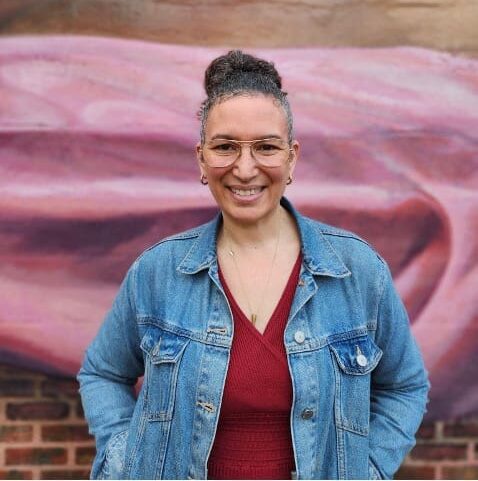
Nicole Leighton CRNP PMHNP-BC brings expertise in the treatment of substance use disorders including Opioid Use Disorder and Alcohol Use Disorder with MAT. She also treats other substance use disorders with the most current evidence-based approaches. She is an expert in treating co-occurring mental health and substance use disorders. Nicole works with pregnant and parenting women with opioid use disorder and severe mental health conditions at Thomas Jefferson University’s Maternal Addiction Treatment Education and Research (MATER) and is Clinical Adjunct Faculty at Thomas Jefferson University, mentoring psychiatric nurse practitioner students and providing lectures on substance use, substance use in pregnancy and harm reduction strategies.
Related Resources
View AllShould I Medicate My Child? A Thoughtful, Evidence-Based Perspective
Table of Contents Naming the Reality Families Live With Understanding Agitation and Aggression in Autism...
The Impact of Criminalization on Recovery: Shifting Toward Compassionate Care
For decades, substance use has been treated as a crime rather than a health issue....
Individualized Education Plans (IEPs) and 504 Plans for Students
Does your child have a diagnosis of a mental and/or behavioral health condition? Is it...
FAQs
What is addiction?
Addiction is a chronic disorder characterized by compulsive behaviors or substance use despite harmful consequences, often leading to physical and psychological dependence.
What are the symptoms of addiction?
Symptoms may include cravings, loss of control over substance use or behaviors, cravings, tolerance, withdrawal symptoms, and inability to engage in responsibilities and relationships related to substance use disorder.
How is addiction treated?
Treatment typically involves a combination of behavioral therapies, counseling, and sometimes medication; Fine Tune Psychiatry offers personalized care to support recovery.
What types of substances can lead to addiction?
Addiction can develop from the use of various substances, including alcohol, prescription medications, and illicit drugs, each requiring tailored treatment approaches.
Does insurance cover addiction treatment?
Yes, many insurance plans provide coverage for addiction treatment services, including those offered by Fine Tune Psychiatry, making care more accessible.